
A Legal Outlook for Law Firms, Trial Lawyers, and Mass Tort Counsel
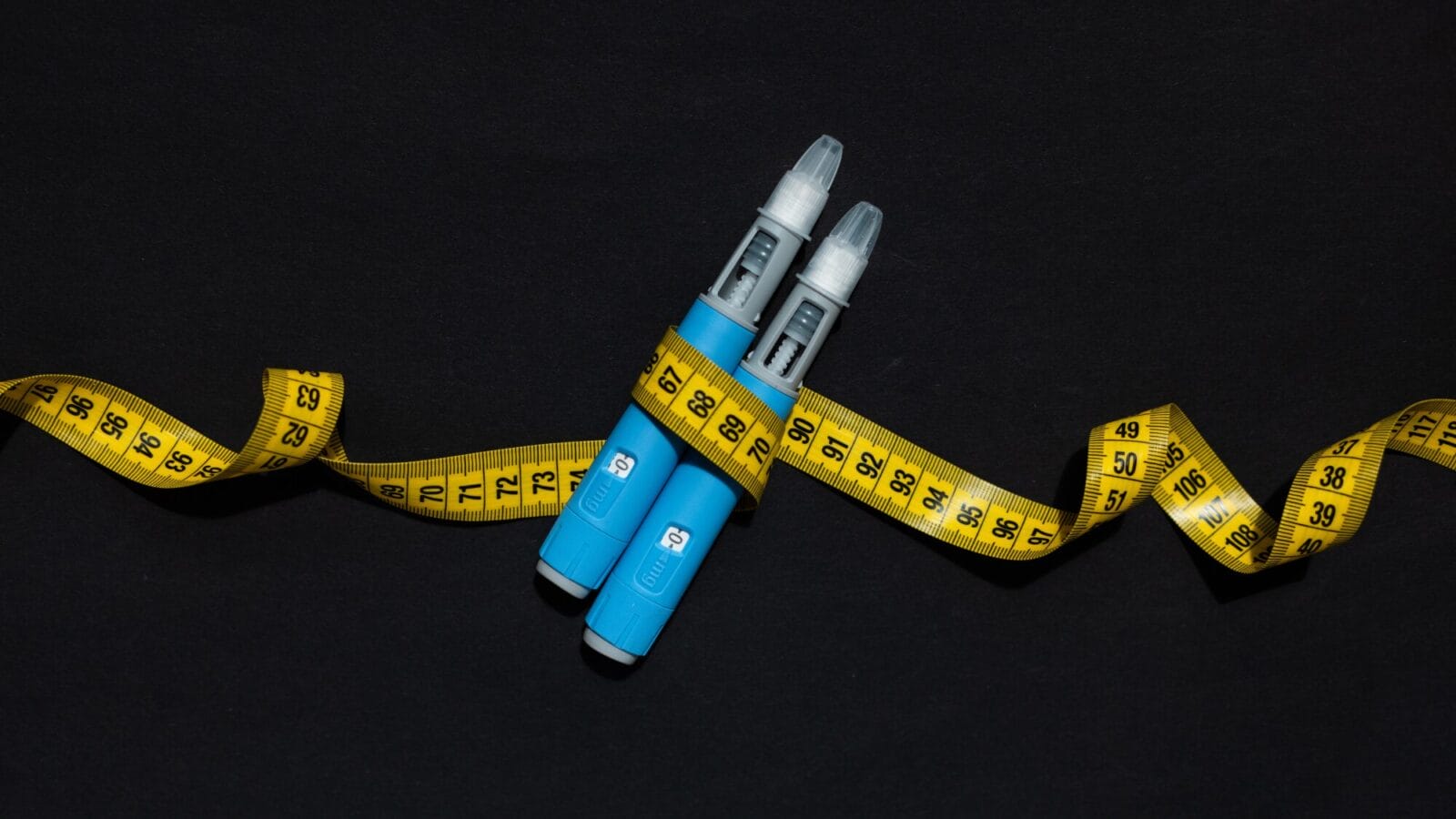
The rapid rise of GLP-1 receptor agonist drugs, including Ozempic®, Wegovy®, Rybelsus® (semaglutide), and Mounjaro® (tirzepatide), has reshaped both the diabetes and weight-loss markets. Alongside record-setting prescription growth, these medications are now driving one of the most closely watched pharmaceutical mass torts in the country.
For plaintiff firms, defense counsel, and litigation funders alike, the central question heading into the new year is increasingly clear:
Will 2026 become the breakout year for Ozempic and GLP-1 gastrointestinal injury lawsuits?
With expert discovery deadlines approaching and dispositive motions on the horizon, 2026 is positioned to be the first truly merits-driven year in GLP-1 GI injury litigation.
The Growth of Ozempic and GLP-1 Lawsuits
Over the past two years, litigation involving GLP-1 weight-loss and diabetes drugs has expanded rapidly. Plaintiffs across the country allege that manufacturers failed to adequately warn patients and physicians about severe gastrointestinal complications, including:
- Gastroparesis
- Ileus
- Intestinal obstruction
- Chronic vomiting
- Long-term motility dysfunction
- Hospitalization and surgical intervention
Unlike routine nausea or transient GI side effects identified in early labeling, many lawsuits allege persistent and debilitating injuries that continue even after discontinuation.
As filings increase, the litigation is increasingly viewed as a major pharmaceutical mass tort comparable to prior drug injury MDLs.
MDL 3094: The Center of GLP-1 GI Injury Litigation
All federal gastrointestinal injury cases involving GLP-1 receptor agonists have been centralized in:
MDL No. 3094 – In re: GLP-1 Receptor Agonists Products Liability Litigation (GI Injuries)
Pending before Judge Karen Spencer Marston in the Eastern District of Pennsylvania.
The Judicial Panel on Multidistrict Litigation (JPML) created MDL 3094 to consolidate claims involving common factual issues, including:
- What manufacturers knew about GI injury risks
- Whether warning labels were adequate
- Whether marketing understated the severity of motility-related complications
This consolidation ensures coordinated discovery, expert proceedings, and bellwether case development.
Why 2026 May Be the Breakout Year for GI Injury Cases
Mass tort litigation typically becomes outcome-driven when courts begin deciding:
- Whether plaintiffs can prove general causation
- Whether expert testimony survives Rule 702 / Daubert scrutiny
- Whether claims withstand summary judgment
- Whether bellwether trials or global settlement pressure emerge
MDL 3094 is now entering that phase.
A December 2025 Case Management Order sets key litigation deadlines for 2026:
- Plaintiff expert reports due: January 2, 2026
- Defense expert reports due: February 13, 2026
- Expert depositions complete: April 10, 2026
- Rule 702 (Daubert) motions filed: April 28, 2026
- Summary judgment motions filed: April 30, 2026
- Briefing continuing through summer 2026
These deadlines indicate that 2026 will be the year general causation and warning adequacy are meaningfully tested in court.
For firms evaluating intake strategy, inventory expansion, or leadership opportunities, this represents a pivotal inflection point.
General Causation Will Define the Litigation
The central merits battle in 2026 will be familiar to experienced pharmaceutical litigators:
Can plaintiffs establish that GLP-1 drugs are capable of causing severe GI motility injuries such as gastroparesis and obstruction?
Manufacturers are expected to argue that delayed gastric emptying is a known pharmacologic mechanism of GLP-1 receptor agonists rather than a defect.
Plaintiffs will counter that:
- These cases involve severe, sometimes irreversible injuries
- Patients required hospitalization, feeding tubes, or surgery
- Risks were not adequately disclosed or emphasized
Expert admissibility rulings may ultimately determine whether the litigation expands into a full-scale settlement docket or narrows substantially.
FDA Labeling and Failure-to-Warn Exposure
Failure-to-warn claims remain central to Ozempic and Wegovy litigation.
FDA prescribing information for semaglutide products has evolved over time. Plaintiffs frequently point to:
- Increased recognition of intestinal obstruction and ileus risks
- Alleged delays in risk disclosure
- A disconnect between marketing narratives and real-world injury severity
Defense counsel are expected to emphasize:
- The learned intermediary doctrine
- Prescribing physician knowledge and testimony
- Regulatory compliance
- Federal preemption arguments
Labeling history will remain central to liability analysis and valuation.
Scientific Evidence Is Expanding But Not Settled
By 2026, both sides will rely on an expanding body of observational and clinical research examining GI adverse events associated with GLP-1 therapy.
Recent research has explored:
- Gastroparesis risk signals in semaglutide-treated patients
- Comparative GI event profiles among GLP-1 agents
- Real-world discontinuation and hospitalization rates
However, predictable disputes remain, including:
- Confounding comorbidities (diabetes, obesity, opioid use)
- Diagnostic inconsistency across plaintiffs
- Baseline prevalence of gastrointestinal dysfunction
Daubert challenges in 2026 will likely determine which scientific frameworks are permitted to proceed.
What Law Firms Should Watch Closely in 2026
For Plaintiff Firms
Strong cases will typically include:
- Objective diagnostic testing (gastric emptying studies, imaging)
- Clear temporal relationship to dose escalation
- Exclusion of alternative etiologies
- Documentation of hospitalization, surgery, or long-term impairment
For Defense Counsel and Manufacturers
Key focus areas include:
- Distinguishing expected GI effects from alleged injury claims
- Label adequacy and physician reliance defenses
- Case-specific comorbidity challenges
- Early dispositive motion strategy
For all parties, initial Rule 702 rulings will significantly influence settlement posture.
Bottom Line: 2026 Will Shape the Future of Ozempic GI Injury Litigation
For attorneys tracking pharmaceutical MDLs, the takeaway is straightforward:
2026 is positioned to be the first decisive year in GLP-1 gastrointestinal injury litigation.
With expert reports, Daubert motions, and summary judgment proceedings already scheduled, MDL 3094 will begin addressing the questions that matter most:
- Can plaintiffs establish general causation?
- Will warning claims survive dispositive scrutiny?
- Do bellwether cases move toward trial?
- Does this MDL evolve into the next major pharmaceutical settlement docket?
Law firms on both sides should be preparing now as the litigation enters its most consequential phase.
Where Summit Edge Legal Fits In
As GLP-1 gastrointestinal injury litigation advances through critical expert and dispositive stages, strategic case development and jurisdiction-specific positioning will become increasingly important.
Summit Edge Legal works with law firms nationwide to support the responsible growth of GLP-1 inventories through compliant media strategy, targeted outreach, and documentation-focused case qualification aligned with evolving MDL standards.
As 2026 unfolds, firms that prioritize disciplined case development and evidentiary strength will be best positioned to navigate Daubert scrutiny and the next phase of this pharmaceutical mass tort.